Water damage can turn an ordinary day into a major property problem. A pipe can rupture behind a wall, a washing machine can overflow, or heavy rain can send water into a basement. Whatever the cause, the water itself is only part of the problem. Moisture can spread into flooring, drywall, insulation and other building materials, sometimes affecting areas that initially appear untouched.
We provide water damage restoration throughout Ohio for residential and commercial properties. Our services include water removal, flood cleanup, structural drying and restoration of water-damaged areas. We also provide fire damage restoration and mold remediation. If your property has been affected by water, fire or persistent moisture, contact us to discuss the situation and the work that may be required.
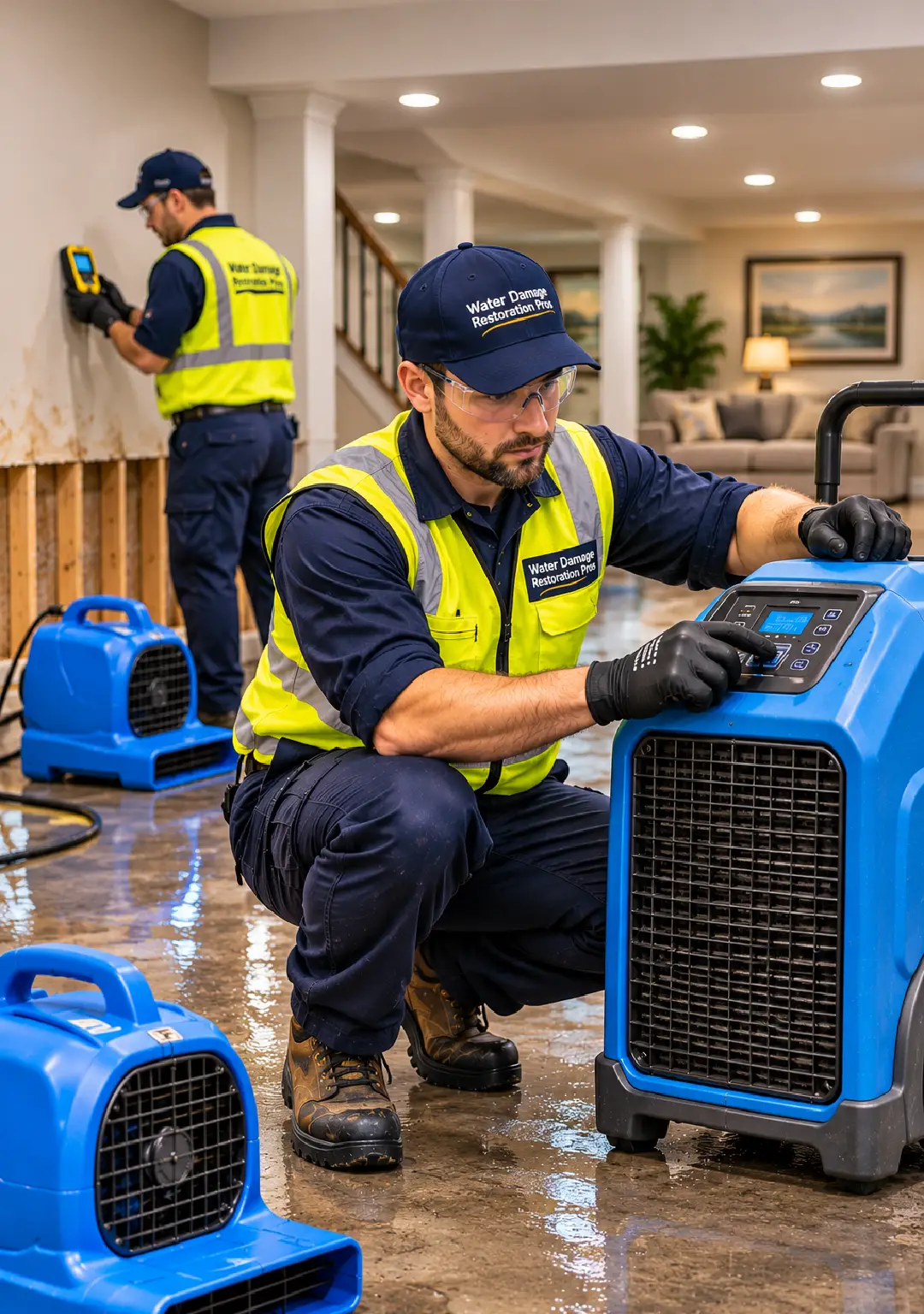
The first concern is usually the visible water. However, the damage can extend well beyond a wet carpet or a puddle on the floor. Water can move beneath flooring, soak into drywall, collect inside cabinets and travel through spaces around pipes and building components. The longer affected materials remain wet, the more complicated the restoration may become.
That is why water damage needs to be considered as a whole rather than judged only by what can be seen. The source of the water, how much entered the property, how long it has been there and which materials were affected all influence the work needed.
A small plumbing leak may require attention to a limited area, while a flooded basement or a major pipe failure can involve several rooms. Our water damage restoration services are intended to address the affected areas through appropriate water removal, cleanup, drying and restoration work.
Water damage in your home or business?
Call with your city, property type, known water source, and affected rooms. Discuss urgent concerns and current availability for assessment and cleanup services.
Not every water damage incident looks the same. Some begin with a sudden release of water, while others develop gradually before the damage becomes obvious. Understanding how the water entered the building helps determine what needs to be addressed.
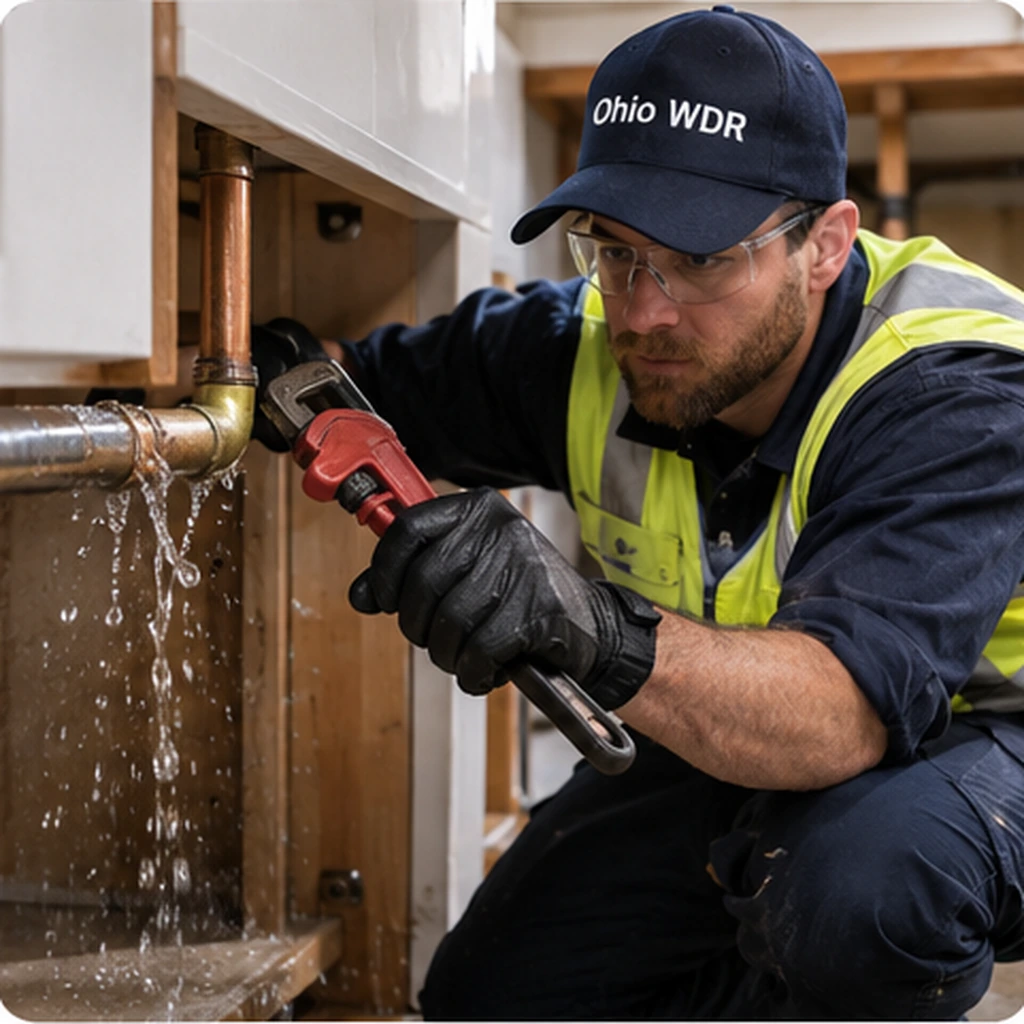
A leaking pipe can cause damage long before water appears on a wall or ceiling. Plumbing lines may run behind drywall, beneath floors or through utility spaces, allowing moisture to affect surrounding materials. When a pipe breaks or a connection fails, water can spread quickly into nearby rooms.
Water damage from plumbing problems may involve ceiling stains, damaged drywall, swollen flooring, wet insulation or moisture inside cabinets. Water extraction and structural drying may be necessary after the source of the leak has been dealt with.
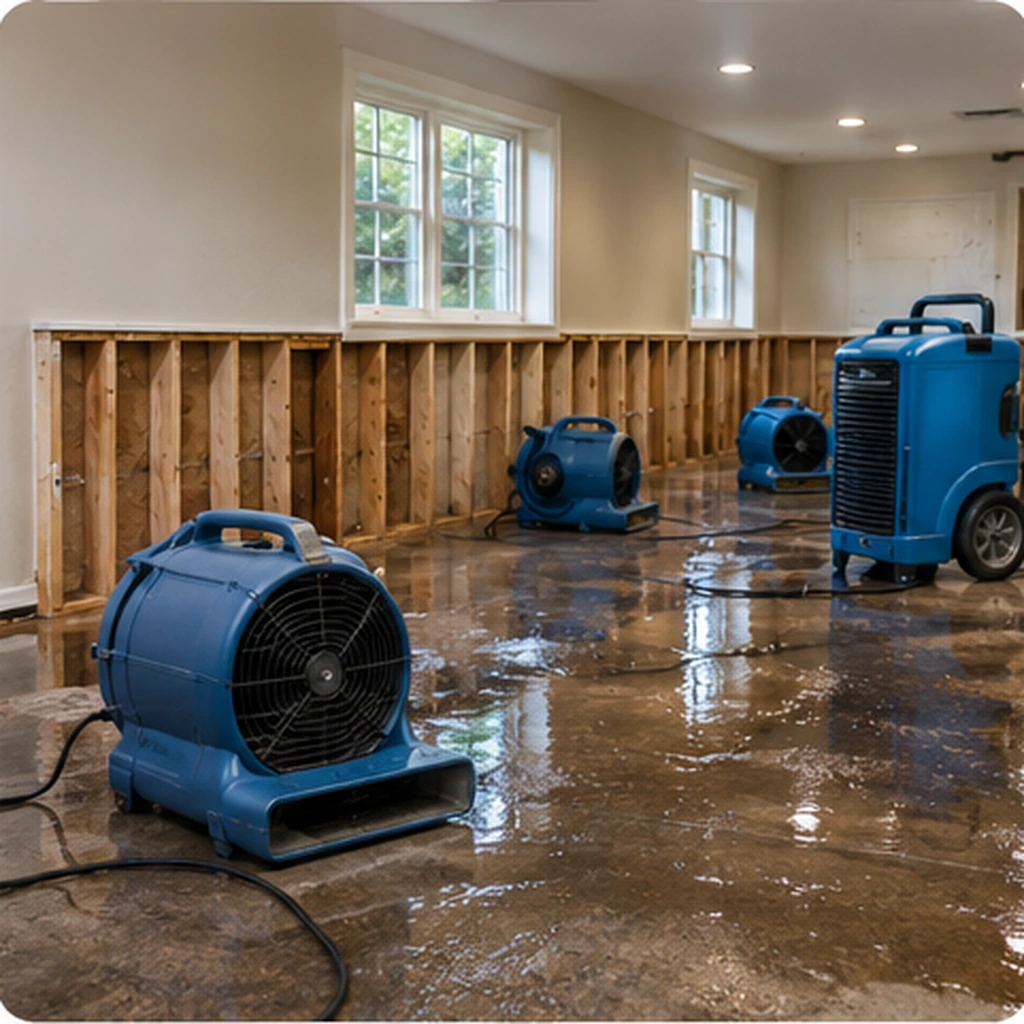
Basements are particularly vulnerable to water entering from outside or from failures within the property. Heavy rainfall, drainage problems, foundation openings, sump pump failures and plumbing leaks can all contribute to basement water damage.
Even a relatively shallow amount of water can affect stored belongings, finished walls, flooring and items kept close to the floor. Basement water removal focuses on clearing the affected area, assessing damaged materials and addressing moisture that remains after the standing water is gone.
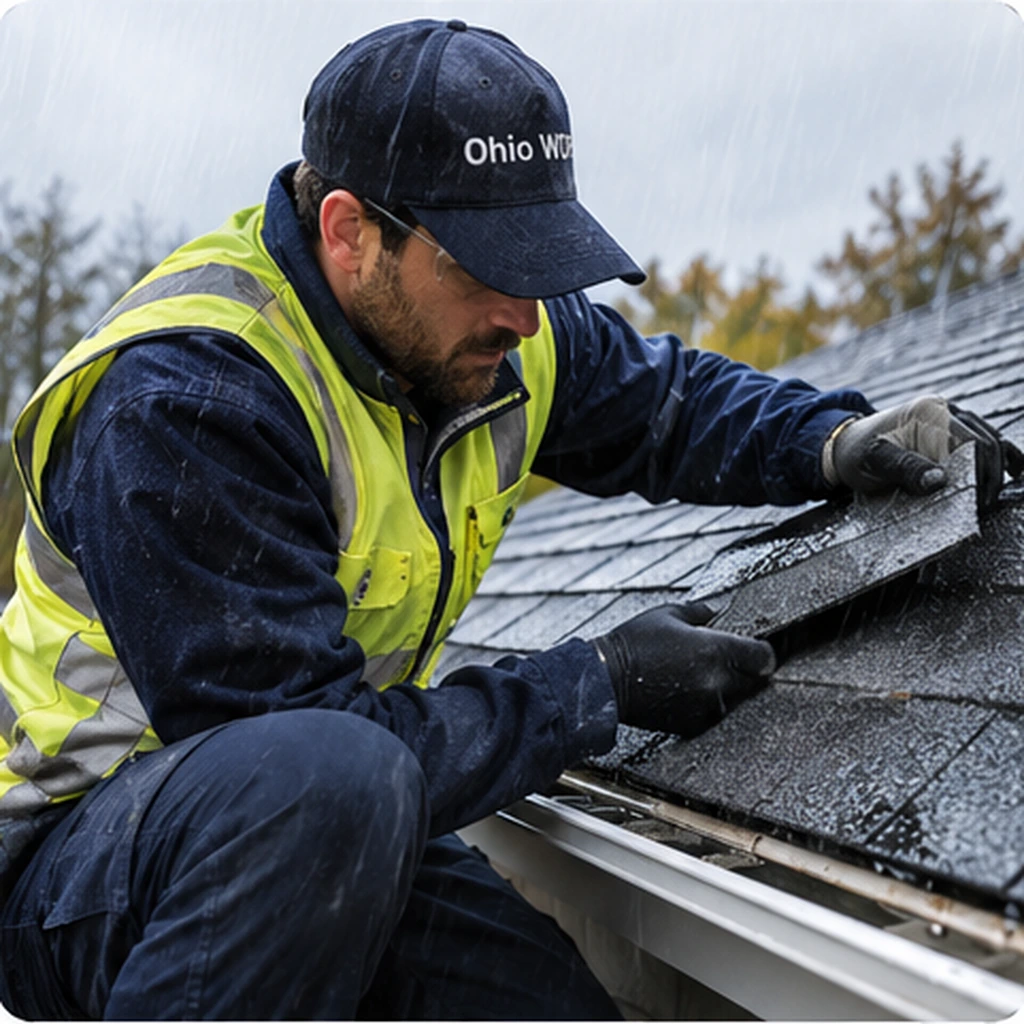
Water can enter a property during severe weather through damaged roofing, windows, doors, foundation openings and other vulnerable points. Heavy rainfall may also overwhelm drainage around a building or contribute to water collecting in lower areas.
Storm-related water damage can affect more than one part of a property. A roof leak, for example, may leave visible ceiling damage while moisture travels into insulation and wall materials. Restoration needs to account for both the original entry point and the areas affected inside the building.
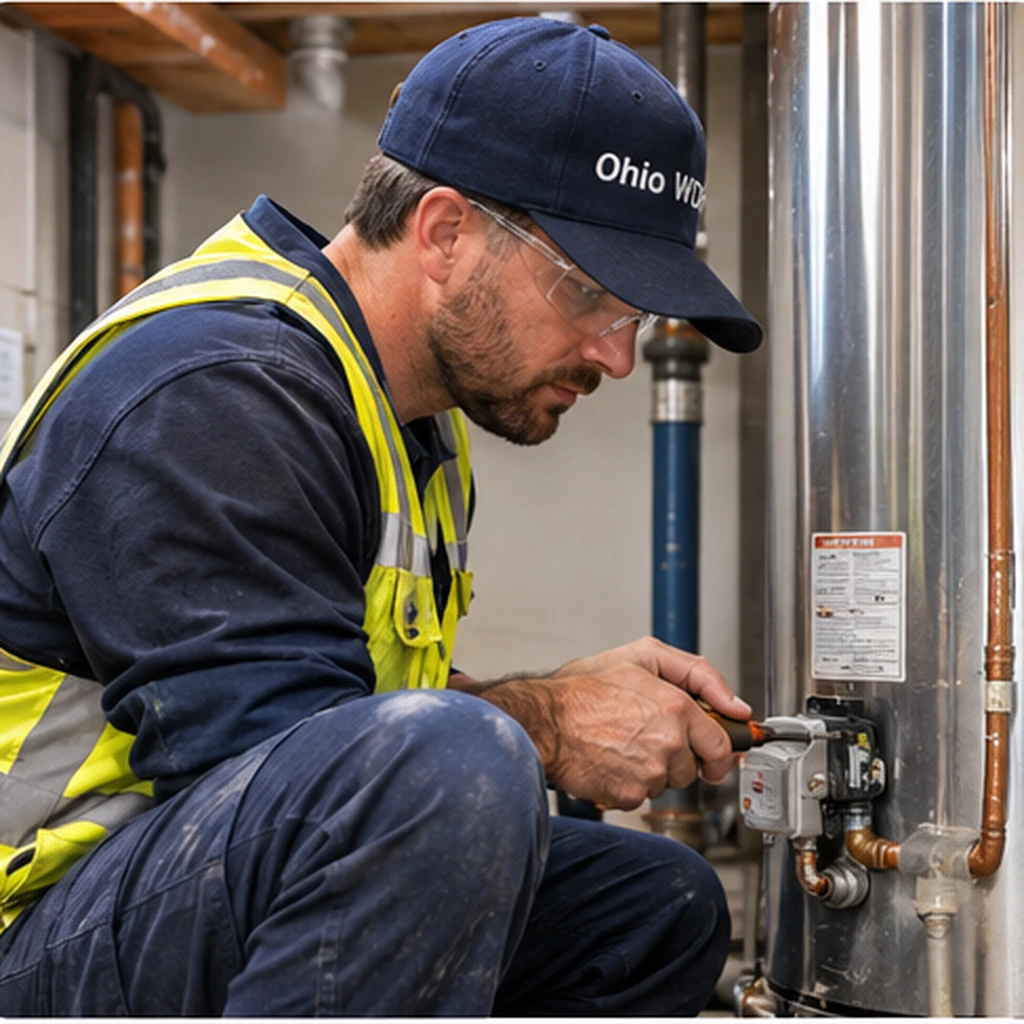
Dishwashers, washing machines, refrigerators and water heaters all rely on plumbing connections that can eventually leak or fail. A damaged hose, loose connection or appliance malfunction can release water into kitchens, laundry rooms, utility spaces and adjoining rooms.
Toilets, sinks, bathtubs and showers can also overflow or develop leaks. The resulting damage may involve cabinets, flooring, baseboards and nearby walls. The affected materials need to be assessed even after the appliance or plumbing issue has been corrected.
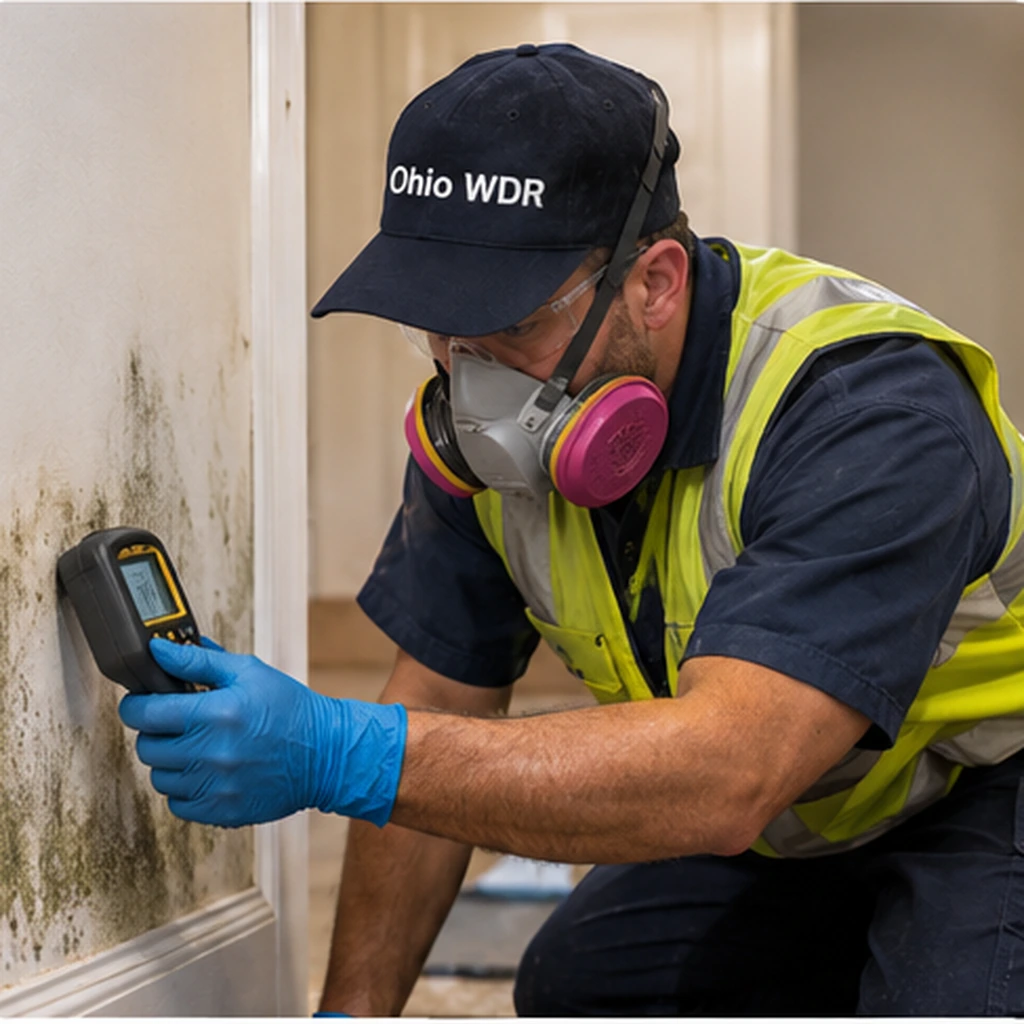
Water stains, bubbling paint, peeling finishes, warped flooring and soft drywall can all indicate moisture problems. These signs do not always reveal how far the water has travelled. Damage may extend behind a finished surface or into materials underneath the visible area.
Proper assessment helps distinguish between cosmetic damage and materials that have become wet or deteriorated. Depending on the condition of the affected areas, restoration may involve drying, cleaning, removal of damaged materials or repairs.
There is no single restoration plan that suits every property. A flooded basement, a leaking ceiling and a burst pipe each create different conditions. The work needs to reflect the source of the water, the materials involved and the extent of the damage.
Before restoration work begins, the affected areas need to be assessed. We consider the source of the water, the rooms and building materials involved, and whether moisture may have spread beyond the visible damage. This helps establish what water removal, drying and restoration work may be required.
Where water has collected inside the property, extraction is an important part of the cleanup. Removing standing water allows the affected areas to be accessed and prepares them for further assessment and drying.
Visible water removal does not necessarily mean the property is dry. Moisture can remain in flooring, drywall and other materials. Structural drying focuses on reducing that remaining moisture, with the work determined by the materials and conditions involved.
Once the affected materials have been assessed and the necessary drying work has progressed, cleaning and restoration can continue. Some materials may be suitable for restoration, while others may need to be removed and replaced. The final work depends on their condition and the nature of the water damage.
Call now to discuss water damage restoration
Tell us what happened, which areas are affected, and whether water is still entering. We’ll discuss current response availability and the proposed next steps.
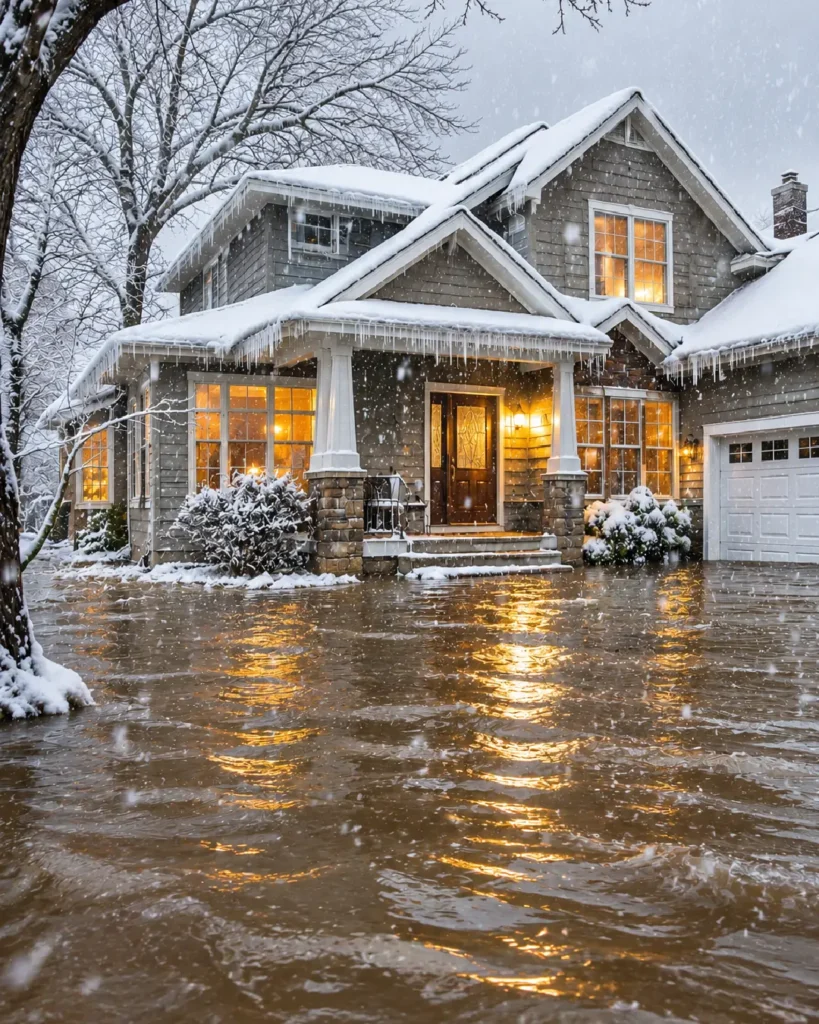
Ohio property owners face different water-related challenges throughout the year. Heavy rainfall can contribute to river flooding, flash flooding and water collecting in low-lying areas. Winter conditions can bring frozen ground, snowmelt and plumbing problems. These different conditions can affect how water reaches a building and where it collects.
The Ohio Emergency Management Agency identifies several forms of flooding in the state, including riverine flooding, flash flooding, coastal flooding along Lake Erie and shallow flooding in areas where drainage is limited. This matters because water damage does not always come from a river overflowing its banks. Heavy rainfall and drainage problems can also affect individual streets, properties and buildings.
Ohio’s winter and spring conditions can create another set of concerns. Saturated or frozen ground, rainfall and melting snow can contribute to flooding, while freezing temperatures can put exposed or poorly protected plumbing at risk. A water damage problem may therefore begin outside the property, inside its plumbing system or through a combination of factors.
For property owners, the important point is that local flood exposure varies. The Ohio Emergency Management Agency and FEMA provide resources that can help people understand flood risks in their area.
Fire can leave a property with several types of damage at once. Flames may damage building materials directly, while smoke and soot can spread into other rooms. Water used during firefighting can create additional problems for floors, walls, ceilings and furnishings.
Smoke residue and soot can settle on surfaces throughout a building, including areas that were not directly affected by flames. The type of residue and the materials it has reached influence the appropriate cleanup approach. Fire damage restoration involves assessing these different effects and determining the work needed to address them.
Firefighting water can leave building materials wet long after the fire has been extinguished. This may require water removal, drying and further restoration alongside the work needed for fire and smoke damage. Addressing both types of damage is important when planning the restoration of a fire-affected property.
Persistent moisture can create conditions that allow mold to grow on building materials and other surfaces. Leaking plumbing, roof damage, flooding and damp areas that do not dry properly can all contribute to a moisture problem.
Mold remediation involves addressing affected areas and dealing with the conditions that support mold growth. Cleaning a visible patch without considering the source of moisture may leave the underlying problem unresolved.
Moisture may be present behind walls, beneath flooring or in other areas that are difficult to inspect visually. Identifying the source and extent of the moisture helps determine which materials need attention and what remediation work may be appropriate.
The approach to mold remediation depends on the location and extent of the affected area and the materials involved. Some surfaces may be suitable for cleaning, while damaged or affected materials may require removal. Correcting the moisture problem is also an important part of addressing the conditions that allowed mold to develop.
Water damage repairs follow assessment of material condition, exposure, contamination concerns, visible damage, and remaining moisture. We explain which components are proposed for retention and which may require repair or replacement.
Water can affect painted finishes, drywall, ceiling assemblies, insulation, and accessible wall-cavity materials. We assess these components and define proposed removal and replacement where appropriate.
Bulging ceilings, falling materials, and other signs of instability require safety assessment before anyone works beneath the affected area.
Flooring assessment considers carpet, underlay, hardwood, laminate, vinyl, tile assemblies, and accessible subfloor materials. Moisture assessment may need to extend beneath the visible floor covering.
We explain proposed cleaning, drying, repair, or replacement according to the material condition and assessment findings.
Water can affect cabinet bases, shelving, baseboards, door trim, furniture, boxes, and stored belongings. We review accessible items included in the agreed scope.
Contents handling, cleaning, removal, storage, repair, and replacement requirements are discussed separately where needed. Confirm which items and services are included before work begins.
Visible or suspected mold is addressed as a related moisture concern, not treated as interchangeable with water damage restoration. We discuss the affected areas and explain whether a separate mold assessment or mold remediation scope is needed.
Water mitigation and mold remediation have different objectives. Water mitigation addresses the water loss and affected materials, while mold-related work requires its own assessment and defined scope where applicable.
We assess water damage in houses, rental properties, apartments, condominiums, and other residential spaces within our coverage. Tell us which rooms are affected, whether the property is occupied, and who can authorize access and work.
Owners, managers, occupants, and associations may need to coordinate entry, source repairs, and restoration arrangements where shared systems or neighboring units are involved.
Commercial water damage can affect work areas, shared facilities, stock, equipment, and building finishes. Assessment and restoration planning must account for the affected spaces and site access.
Provide the building type, on-site contact, operational restrictions, and any requirements for entering the property. We discuss assessment, drying-equipment placement, cleanup, and repair planning for the agreed scope.
Our planned Ohio service area includes communities across the northern, central and southern parts of the state. From larger metropolitan areas to smaller communities, we aim to make water damage restoration and related property restoration services available across a broad part of Ohio.
Our service areas include:
Each community has its own property types, drainage conditions and local surroundings. The cause of water damage and the restoration work required will depend on the individual property. Contact us with your location to discuss service availability.
Discovering water inside your property can be stressful, especially when the source is not immediately obvious. A few sensible steps can help you deal with the situation safely and prepare for the restoration process.
STEP 1
Stay out of standing water if electrical equipment, outlets or wiring may be affected. Follow instructions from emergency services or utility providers where necessary.
STEP 2
If a plumbing leak is responsible and you can safely access the relevant shutoff, stopping the water supply may help limit further damage.
STEP 3
Photographs of affected rooms, materials and belongings can be useful when discussing the damage with your insurance provider.
STEP 4
Make a note of the incident, the areas affected and any steps already taken.
STEP 5
Water can remain inside building materials after visible pooling has disappeared, so an assessment can help establish what drying and restoration work may be needed.
Find answers to common questions about water damage assessment, cleanup, drying, costs, repairs, and related restoration services.
Water damage restoration can include assessing affected areas, extracting standing water, drying building materials, cleaning and addressing damaged components. The exact work depends on the source of the water, the extent of the damage and the condition of the property.
Yes. Water can move beneath flooring, behind walls and into other building materials. A room may no longer have visible standing water while moisture remains in areas that are not immediately apparent. An appropriate assessment can help identify where further attention may be needed.
There is no fixed timeline for every property. The amount of water, the materials affected, the size of the damaged area and the extent of the drying and repair work all influence how long restoration takes.
No. Mold does not develop after every water damage incident. However, damp materials and persistent moisture can create conditions that support mold growth. Addressing the water source and dealing with affected materials are important steps in reducing the risk of ongoing moisture problems.
In many cases, at least some parts of a flooded basement can be restored. The outcome depends on the amount and type of water, how long materials were exposed and the condition of the affected building components and belongings. Some materials may be suitable for drying and cleaning, while others may need replacement.
Insurance coverage depends on the policy and the cause of the damage. Certain sudden and accidental plumbing-related incidents may be treated differently from flooding, groundwater intrusion or long-term leaks. Review your policy and contact your insurance provider to understand the applicable coverage and claim requirements.
Yes. In addition to water damage restoration, we provide fire damage restoration, smoke and soot cleanup, and mold remediation. The work required depends on the type and extent of damage to the property.
Our planned service areas include both major cities and smaller Ohio communities. Contact us with your location so we can discuss whether service is available in your area.
Discuss Your Property Restoration Needs
Whether your property has experienced a burst pipe, a flooded basement, storm-related water intrusion or another type of water damage, the first step is understanding what has been affected. Visible water is not always the full extent of the problem, and the right restoration work depends on the condition of the building materials and the source of the damage.